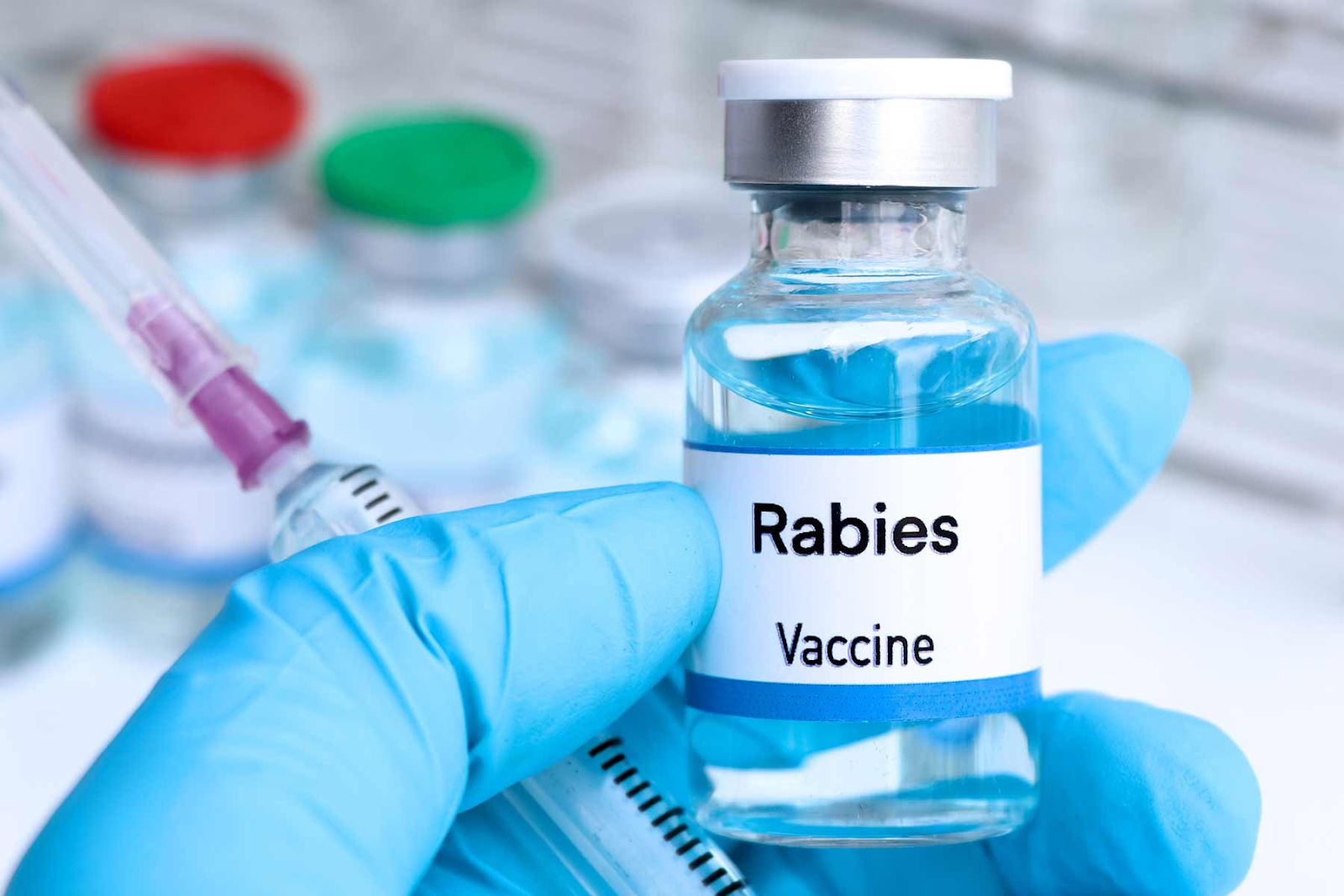
Keeping pets healthy and safe is one of the most important responsibilities of a pet owner. Among the various health measures, rabies vaccinations play a vital role in protecting pets from life-threatening diseases. Rabies is a serious viral infection that affects the nervous system and can be fatal if left untreated. By ensuring that pets receive timely rabies vaccinations, owners can safeguard both their animals and their families from potential health risks.
Understanding Rabies and Its Risks
Rabies is caused by a virus that attacks the central nervous system of mammals, including dogs, cats, and even humans. The disease is usually transmitted through the bite of an infected animal. Once symptoms appear, rabies is almost always fatal, making prevention extremely important. Pets are naturally at risk if they interact with wild animals or other infected pets, which is why vaccination is considered a critical preventive measure.
The Role of Rabies Vaccinations
Rabies vaccinations are specifically designed to stimulate a pet’s immune system to produce antibodies against the rabies virus. These antibodies provide protection by neutralizing the virus if the animal is ever exposed. Routine rabies vaccinations are highly effective, significantly reducing the chances of infection. They not only protect the individual pet but also help control the spread of rabies within communities.
Legal and Community Benefits
In many countries, rabies vaccinations are legally required for pets. Local authorities often enforce these regulations to reduce the risk of rabies outbreaks. Ensuring pets are vaccinated helps owners comply with these laws and prevents potential legal issues. Beyond legal compliance, vaccinated pets contribute to public health safety. They reduce the likelihood of rabies transmission to other animals and humans, creating a safer environment for everyone in the community.
Health Advantages for Your Pet
Regular rabies vaccinations protect pets from severe illness and complications. A vaccinated pet is less likely to develop symptoms if exposed to the virus, which can prevent the need for emergency treatments or euthanasia in severe cases. In addition to rabies, maintaining an up-to-date vaccination schedule often encourages regular veterinary check-ups, which can help detect other health issues early. This holistic approach to pet care ensures that pets live longer, healthier lives.
When and How to Vaccinate
Rabies vaccinations are usually administered to pets at an early age, often around three months old. Booster shots are recommended periodically to maintain immunity throughout the pet’s life. Veterinarians can advise on the appropriate vaccination schedule based on the pet’s age, health status, and local regulations. Administering vaccinations in a timely and consistent manner is essential for maximum protection.
See also: Premium Strategic Review on 489430110, 692171159, 615857547, 2084347603, 944061669, 90153804
Addressing Concerns About Vaccinations
Some pet owners may worry about side effects from rabies vaccinations. While mild reactions like soreness or slight fever can occur, serious side effects are rare. The benefits of vaccinating far outweigh the risks, as rabies is fatal once contracted. Consulting with a veterinarian can help alleviate concerns and provide guidance on safe vaccination practices tailored to each pet.
Conclusion
Rabies vaccinations are a key component of responsible pet care. They protect pets from a deadly disease, help maintain public health, and ensure compliance with legal requirements. By keeping vaccinations up to date, pet owners not only safeguard their furry companions but also contribute to a safer community. Regular veterinary care, combined with timely rabies vaccinations, is the best way to ensure pets lead healthy, happy lives free from the threat of dangerous diseases.