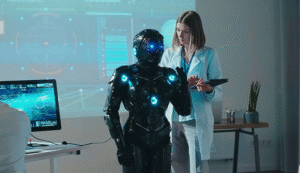
The evolution of mixed reality workspaces presents a transformative opportunity for collaboration. By integrating physical and digital elements, teams can engage in innovative ways that enhance both creativity and productivity. However, the path to widespread adoption is fraught with challenges. As organizations navigate these complexities, a clearer vision of the future begins to emerge. What strategies will ultimately shape the effectiveness of these immersive environments?
The Advantages of Mixed Reality in Collaborative Environments
As organizations increasingly seek ways to enhance teamwork and productivity, the integration of mixed reality (MR) technologies in collaborative environments emerges as a transformative solution.
MR fosters enhanced collaboration by enabling immersive experiences where team members can interact with digital elements in real-time. This innovative approach empowers individuals to share ideas more freely, ultimately driving creativity and efficiency in project execution across diverse workspaces.
Overcoming Challenges in Adoption and Implementation
The exciting potential of mixed reality in collaborative settings is often met with significant hurdles during adoption and implementation.
Key challenges include user training, technology integration, and ensuring user acceptance.
Additionally, organizations must navigate cost considerations, infrastructure requirements, and security challenges while addressing software compatibility and scalability issues.
Overcoming these obstacles is crucial for unlocking the transformative benefits of mixed reality workspaces.
The Future Vision: What Lies Ahead for Mixed Reality Workspaces
What transformative possibilities await as mixed reality workspaces continue to evolve?
Future innovations promise immersive experiences that seamlessly blend physical and digital realms. Enhanced digital integration will empower collaboration, fostering creativity and productivity in unprecedented ways.
As organizations embrace this evolution, they will unlock new potentials, allowing individuals the freedom to explore, innovate, and connect in increasingly dynamic and flexible environments.
Conclusion
As a phoenix rising from the ashes of traditional workspaces, mixed reality heralds a new dawn of collaboration and creativity. This transformative technology, like a vibrant tapestry woven from the threads of digital and physical realms, invites diverse teams to explore uncharted territories of innovation. By embracing mixed reality, organizations not only enhance productivity but also cultivate a culture of adaptability, ensuring they thrive in an ever-evolving landscape. The future, vibrant and interconnected, beckons with limitless possibilities.